Why a School Solar Power Plant = A Safety Lesson


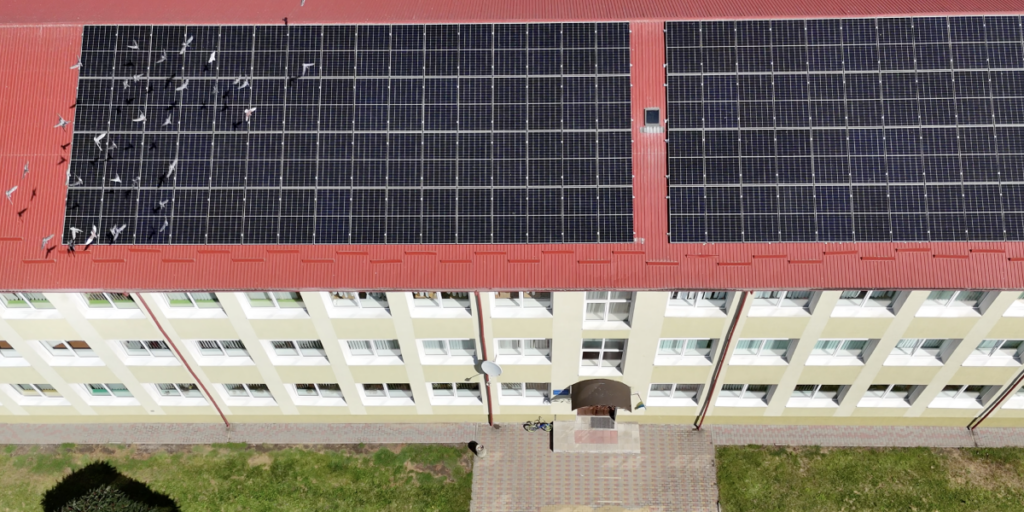
When we talk about solar panels in schools, most people think only of cost savings. But a school PV system with batteries is, first and foremost, about safety and sustainability.
Light Even in the Dark
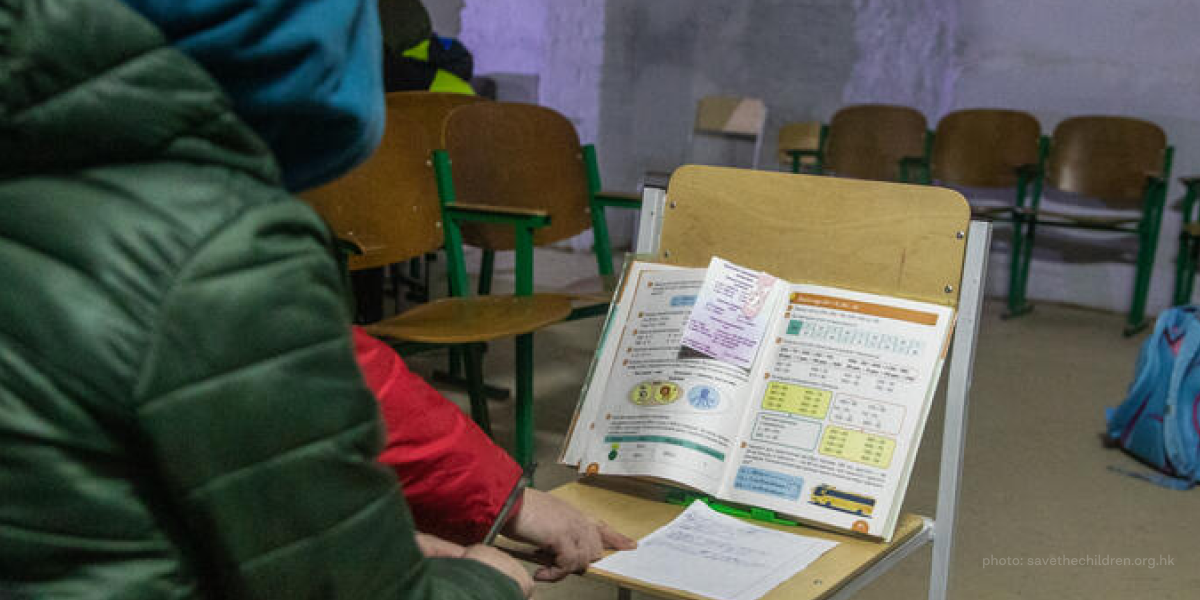
During emergency power outages, a school with an off-grid power system isn’t plunged into darkness. Lighting in classrooms, hallways, and shelters is maintained by batteries. The Solar Secure Schools study (NREL) confirms that PV systems with batteries in schools can support critical functions even during prolonged blackouts.
Heat That Doesn’t Shut Off Along with the Lights
PV+batteries can power circulation pumps or low-power systems. This is especially important in winter. In the U.S., for example, as part of the SunSmart Schools Emergency Shelter Program, solar systems with batteries have been installed at more than 90 schools. They have proven that even relatively small systems can provide heat and light for hundreds of people using schools as shelters.
Communication as a Safety Net
Wi-Fi, radio communication, and phone charging stations—all of these can be kept operational thanks to off-grid power. A study by Liu et al. (2025) shows that schools equipped with renewable energy sources and batteries significantly increase their resilience and reduce their dependence on the centralized grid. In a crisis, maintaining communication is more important than any bill.
A Lesson in Resilience for Children
Students see how renewable energy actually works and understand that energy independence equals safety. This is hands-on education. And here’s further proof: a study by Gorman et al. (2024) shows that PV systems combined with batteries can support critical loads in homes during prolonged power outages. If this technology is effective even in the private sector, then in school buildings with more space for panels, it serves all the more as a “living textbook.”
The School as a Community Hub
A school with an autonomous power supply can become a “safe haven” for the entire community. In the event of power outages or emergencies, people know where to find light, heat, and information. And it’s not just about safety, but also about economics: according to Nature Energy (Sun et al., 2025), over 60% of U.S. households can simultaneously reduce costs and gain access to backup power thanks to PV+batteries. For schools, this logic holds even more strongly—after all, an investment in energy independence automatically becomes an investment in the safety of hundreds of children.
A school solar power plant isn’t just about savings.
It means:
- energy independence during blackouts
- protection for children and staff
- a practical lesson in resilience for students
- a safety hub for the community
Every panel installed at the school = another safety lesson.
Support Glossary Eco Foundation so we can continue educational and eco-friendly projects that make real difference
Donate