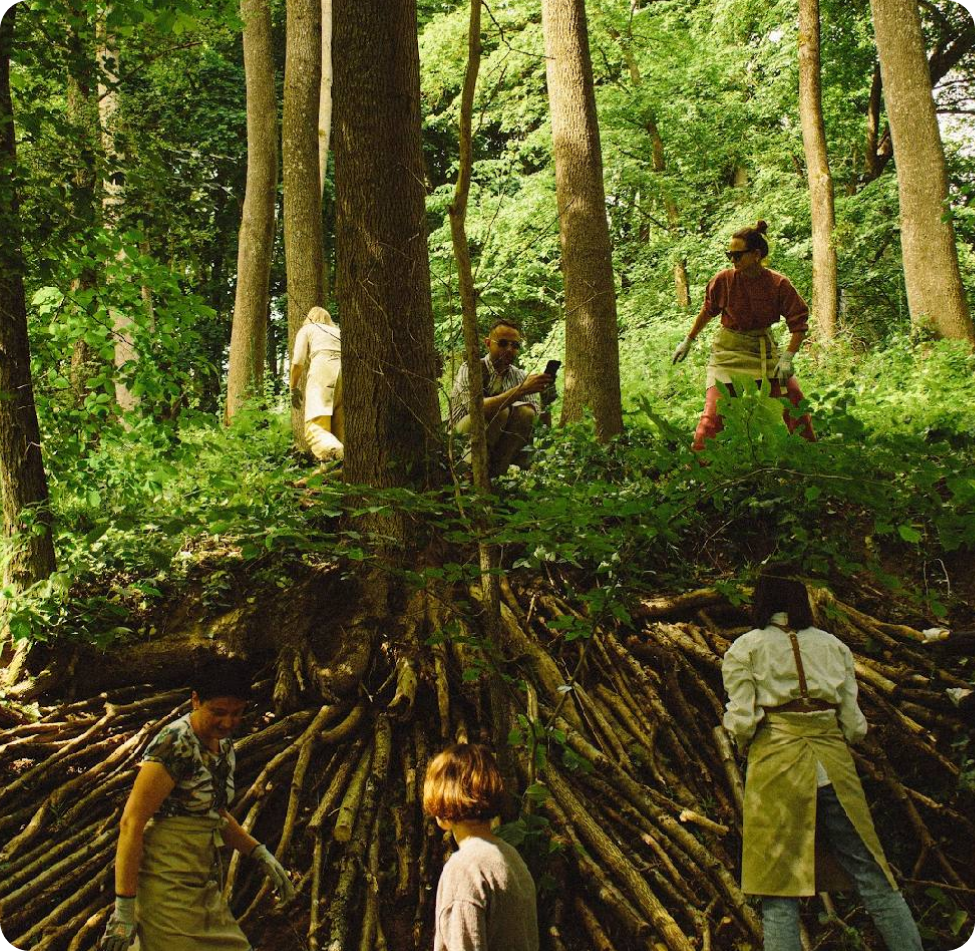
Behaviour change is the slowest and most durable kind of change. Prohibitions and fines deliver a short-term effect, sometimes the opposite of the one intended. Infrastructure solutions change conditions but not attitudes. Culture is shaped differently - through knowledge acquired in childhood, through experience that becomes personal, through an environment in which a responsible attitude to the environment is the norm rather than the exception.
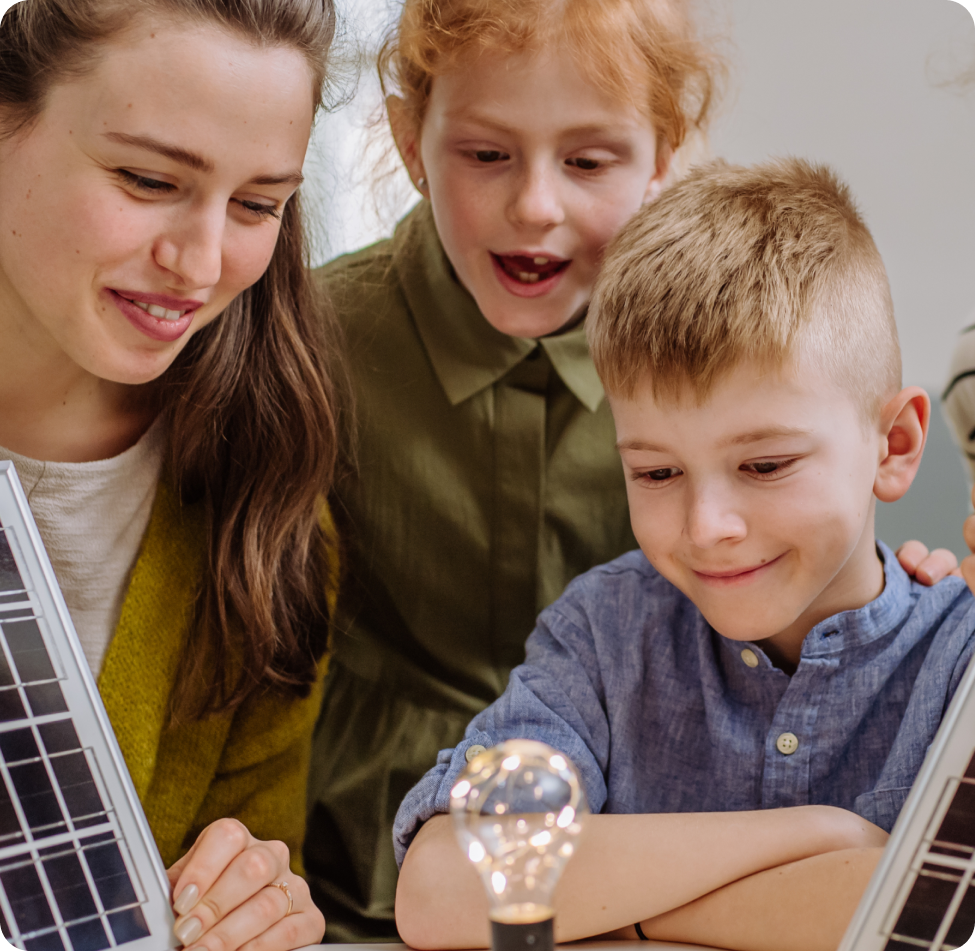
That is why the educational direction in the Foundation's work is not auxiliary but equal to the infrastructure one. A school that received a solar power plant without an educational component is simply a building with new equipment. A school where children see real generation data every day, and understand the link between the sun and kilowatt-hours, and between kilowatt-hours and CO₂ emissions, is an environment that nurtures a different attitude to energy and climate.
The Foundation's approach combines three instruments: lived experience through participation in real initiatives, structured knowledge through learning materials and books, and lasting contact with the topic through the school's educational environment. Each of the instruments has its own audience and its own effect, but together they shape what no single instrument can on its own.