We shape ecological and climate culture in Ukraine - through behaviour change, awareness-raising and systemic infrastructure solutions.
Who We Are
Glossary Eco Foundation is a non-profit organisation that shapes ecological and climate culture through specific initiatives and projects. The first vector of activity is ecological behaviour and conscious consumption: the Foundation supports initiatives to reduce plastic use, responsible supply chains in clothing manufacture, the shift to organic products and sustainable lifestyle practices, and it organises educational events to introduce responsible farming.
The second vector is action against climate change: climate awareness through publications, events and learning materials that foster a conscious attitude to the climate crisis, as well as practical work to reduce the real carbon footprint through the installation of solar power plants in schools. The cross-cutting element of both vectors is the ecological education of children and young people as the basis for change in the generations to come.
Foundation History
The Foundation was established on 22 April 2021 - on International Earth Day. Every year on this day, millions of people in dozens of countries plant trees, clean up riverbanks and give up plastic - as a reminder that the state of the planet depends on specific actions. For the Foundation, this is not a symbolic date, but a point of departure.
The founder of Glossary Eco Foundation is Doctor of Economic Sciences Anastasiia Tsybuliak, author of more than 50 academic publications in the field of green economy and sustainable development, and ambassador of the international initiatives No More Plastic (France) and Dirt Charity (United Kingdom). At the outset, the Foundation was financed solely from the founder's personal funds - a matter of principle for someone who believes that real change begins with personal responsibility. The first initiatives covered the ecological education of children, support for local farms, and the development of sustainable tourism.
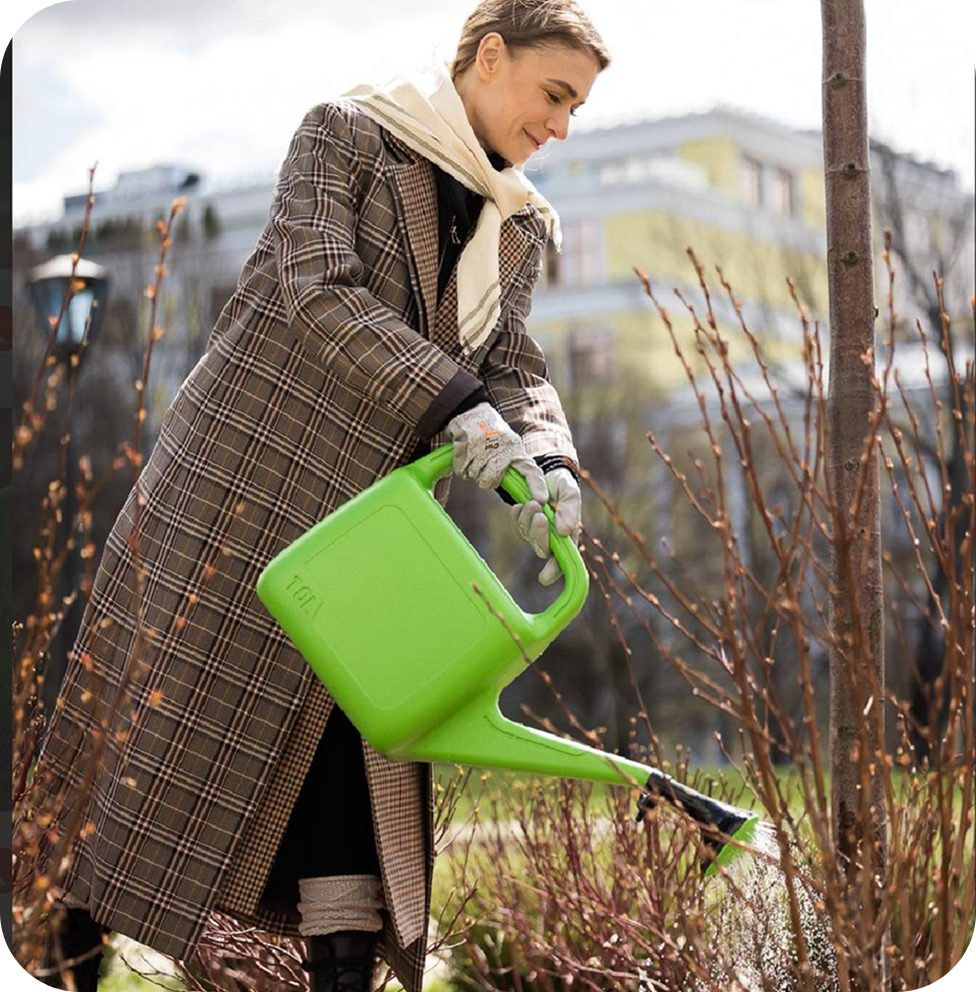
In April 2021, with the participation of well-known public figures and representatives of culture, the Foundation laid the Star Flowerbed at the National Museum of the History of Ukraine and took on responsibility for its continued care. In June of the same year, eco-journeys were organised to introduce participants to the practices of sustainable farming and responsible tourism.
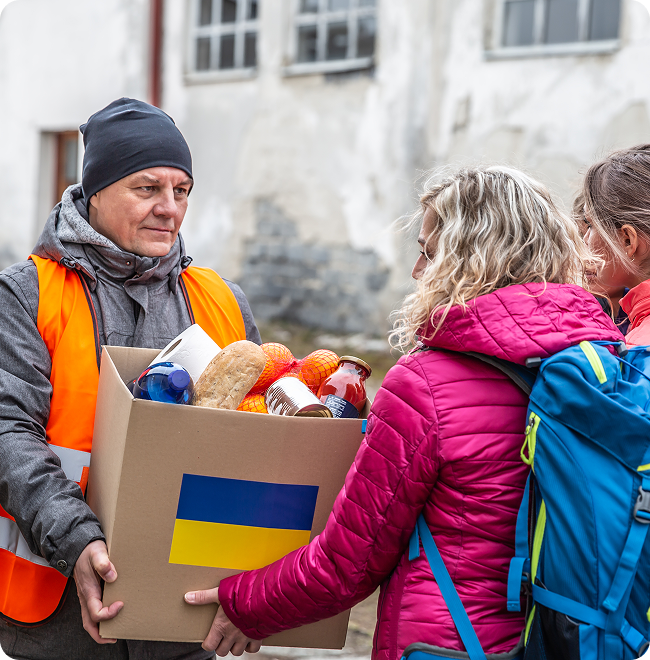
With the start of the full-scale war, the Foundation redirected its resources to humanitarian needs - the supply of medicines, food and hygiene products for those affected. In parallel, a long-term strategy took shape: how to make a contribution to the country's ecological and climate resilience that would last for years. It was then that a team joined the Foundation's work, for whom volunteering became a matter of principle.
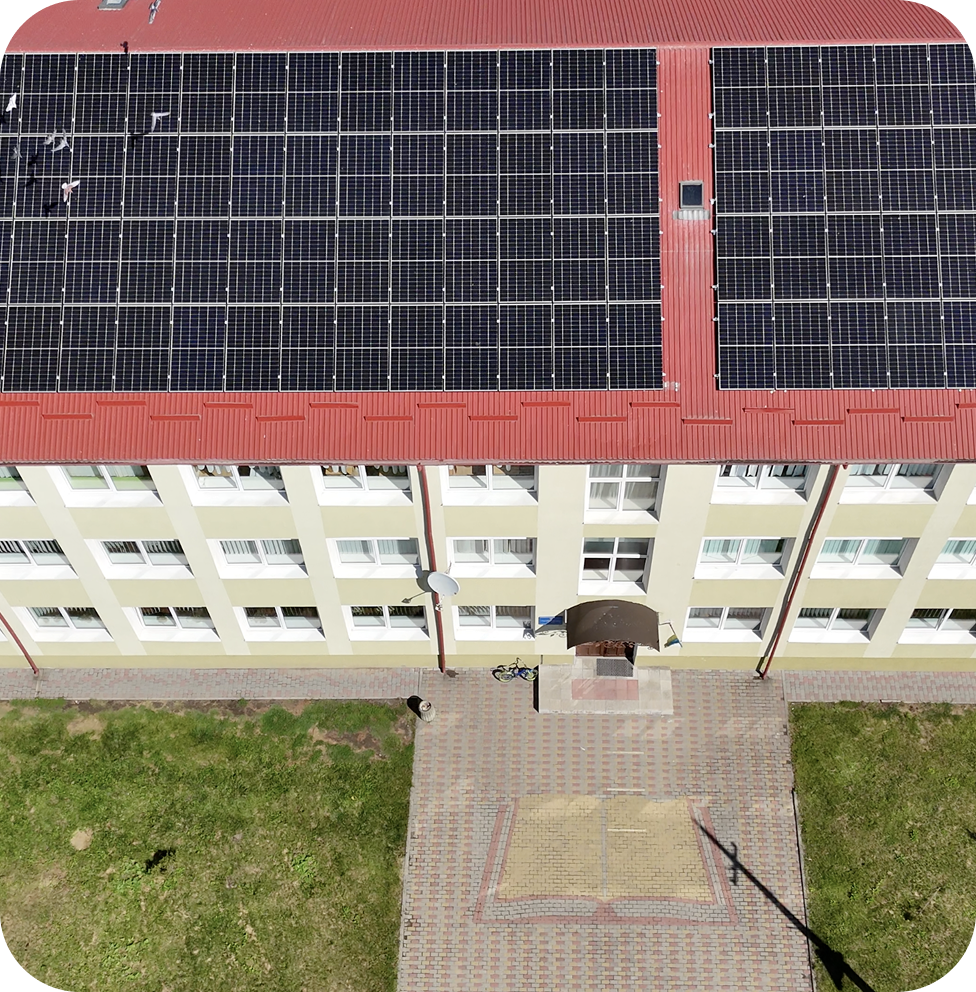
In 2025, the Foundation began implementing the 'School Under the Sun' programme - a systemic initiative to install hybrid solar power plants in Ukrainian schools with a mandatory educational component for pupils. The first step of the programme was a pilot project at Monastyryska School (Ternopil oblast): 112 monocrystalline panels with a total capacity of 51.5 kW were installed on the roof of the building, together with a hybrid inverter with automatic switching between operating modes and an energy storage system of 20.5 kWh. Expected annual generation is around 37,000-40,000 kWh.
The Foundation opened the way for external donations and partnerships with business and civil society organisations. This makes it possible to scale the programme: each donor or partner can contribute to financing a specific school - in full or in part - and receive confirmation of the targeted use of funds with photographic documentation. The transition from a purely private initiative to an open platform created the conditions for the next stage - a network of schools with hybrid solar plants.
School Under the Sun
The main direction of our work is the installation of hybrid solar power plants in schools. A solar power plant gives a school autonomy during outages and reduces the institution's electricity costs by between UAH 100,000 and UAH 500,000 per year, depending on the capacity of the plant, the tariff and the region. Each installed plant prevents around 15 tonnes of CO₂ emissions annually.
An important element of every project is the educational component. Installing the panels is part of the project, but not its conclusion. It is essential to give children an understanding of how a solar power plant works: the role of solar panels, energy storage and inverters, how the system switches to autonomous mode during a grid outage, and what the real contribution of each such plant is to reducing emissions. This is not abstract knowledge - children see the system at work every day and gain the opportunity to relate it to the wider context of climate change. That is why each participating school also receives a learning programme on renewable energy.
The project is delivered in partnership between the Foundation, the local community, the school and the contractor - a memorandum of cooperation is signed before work begins. The strategic goal for 2026-2028 is 15 schools with installed hybrid plants and a working educational programme. The pilot model has been tested technically and financially; each subsequent project builds on the experience of the previous one.
Ecological and climate culture is not shaped through prohibitions or abstract appeals. It is created through knowledge, experience and habits - and this happens most effectively in childhood. That is why the Foundation treats the educational direction as strategic, not auxiliary: changing the behaviour of future generations is a long-term response to the climate crisis, one that cannot be solved through infrastructure solutions alone.
Within this direction, the Foundation develops materials that explain to children the link between everyday decisions and the state of the environment: how waste is generated and where it ends up, why entire species of animals disappear, how human activity affects the climate, and what each person can do right now. One of the tools is a series of children's books on ecology and the conservation of nature.
The first book, Vukhan-Klapan and the Red Mark, is coming out in 2026. It tells of rare Ukrainian animals and explains how human activity affects ecosystems. Part of the print run is to be given to schools, libraries and family-type children's homes free of charge.