War and the Environment: How Other Countries Have Rebuilt Their Environments After Disasters, and What Ukraine Should Consider
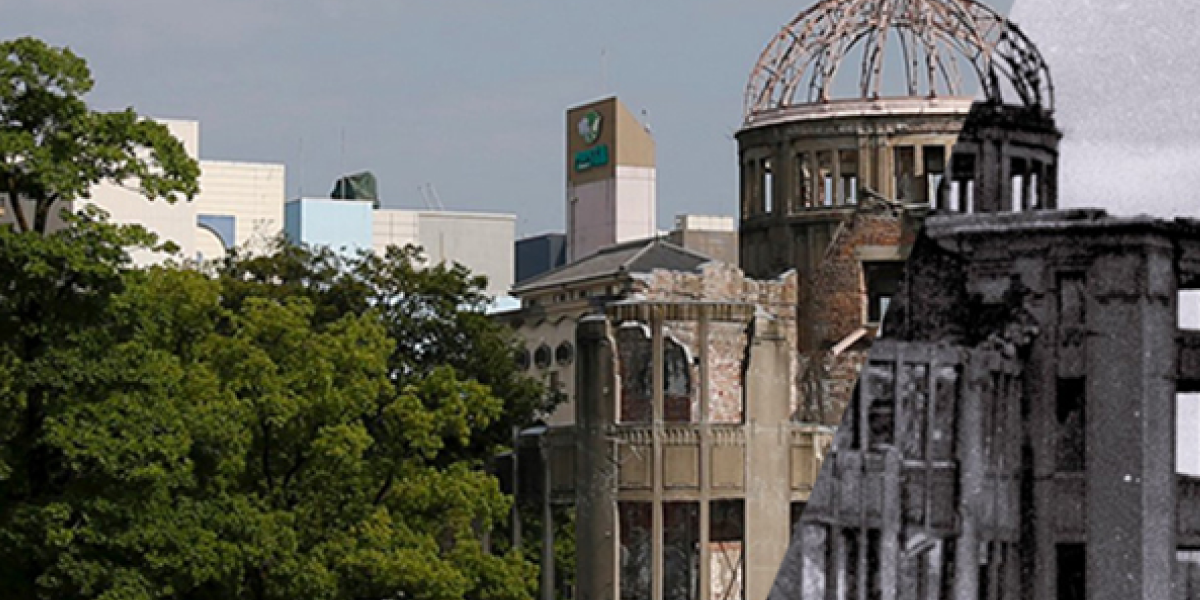


During a war, it is not only buildings that are destroyed, but also the ecosystems that sustain life: forests, rivers, soil, and air. According to estimates by the Ministry of Ecology and Natural Resources, in just the first year of Russia’s full-scale invasion, Ukraine lost more than 600,000 hectares of forest, 20% of protected areas were affected, and environmental damage exceeded $56 billion. But we are not the first to go through a war or disaster of this magnitude. The world has experience in restoring nature after disasters, and some cases are striking in their transformative power.
Lessons for Ukraine: Examples of Environmental Recovery
- 🇻🇳 Vietnam: From “Apocalypse” to a Forested Nation – After the war, Vietnam was left with 3 million hectares of degraded land poisoned by Agent Orange (dioxin-laced defoliants). Throughout the 1990s and 2000s, the country launched a large-scale reforestation program (the 5 Million Hectare Reforestation Program), focusing on agroforestry and collaborative natural resource management with local communities. The result: from 1990 to 2015, the country’s forest cover increased from 27% to 40% (FAO, 2015), and a new economy centered on timber, fruit, and ecotourism emerged.
- 🇷🇼Rwanda: An Ecological Rebirth After the Genocide — Following the tragic events of 1994, Rwanda was virtually devastated—its forests destroyed, its soils degraded, and its basic infrastructure gone. In response, the country implemented the Vision 2020 policy, with a focus on environmental sustainability: A complete ban on plastic bags since 2008; Large-scale restoration of forests and eroded lands; Development of green urban planning in the capital, Kigali. Today, Rwanda is considered one of the cleanest countries in Africa, and its approach to environmental protection is studied at universities around the world.
- 🇮🇶 Iraq: Restoring Water to the Marshes After the War. After the war in Iraq, Saddam Hussein’s regime deliberately drained the Mesopotamian marshes—one of the largest natural habitats in the Middle East. This destroyed a unique ecosystem and displaced more than 200,000 people. After 2003, Iraq, with the support of the UN and UNEP, launched a reflooding project to restore water supplies and ecosystems. By 2008, about 50% of the marshes had been restored. The marshes were re-listed on the UNESCO World Heritage List in 2016.
- 🇯🇵 Japan: Environmental Recovery After the 2011 Tsunami. Following the tsunami and the Fukushima disaster, Japan did more than simply rebuild the affected regions—it redefined environmental safety and resilience to risks: Construction of protective green belts consisting of trees and shrubs; Implementing energy-independent towns powered by solar energy; Establishing environmental monitoring centers around the exclusion zone. Today, the Tohoku region is held up as a model for “green transformation,” where the experience of the disaster served as a catalyst for sustainable development.
What Ukraine can do:
Integrate environmental considerations into reconstruction: every new project must take into account soil conditions, pollution levels, water balance, and biodiversity.Restore forests and nature reserves—not only by planting trees, but also by supporting the natural regeneration of plant communities and restoring ecological corridors for wildlife.
Establish an environmental monitoring infrastructure: measure air, water, and soil quality in affected regions, including through community participation.
Implement green energy and construction—avoid repeating the old mistakes of industrial urbanization.
Bring nature back into cities: parks, green roofs, and rainwater harvesting systems—as tools for psychological recovery and adaptation to climate change.
The environment is not a “secondary issue” after the war. It is the foundation for rebuilding life. Without restored water, land, and air, there will be no sustainability. Ukraine has a chance not only to rebuild but to become a model of “green reconstruction” in the 21st century. But we must act now.
Support Glossary Eco Foundation so we can continue educational and eco-friendly projects that make real difference
Donate