The Hidden Cost of Our Clothes: What Your Favorite T-Shirt Is Not Telling You
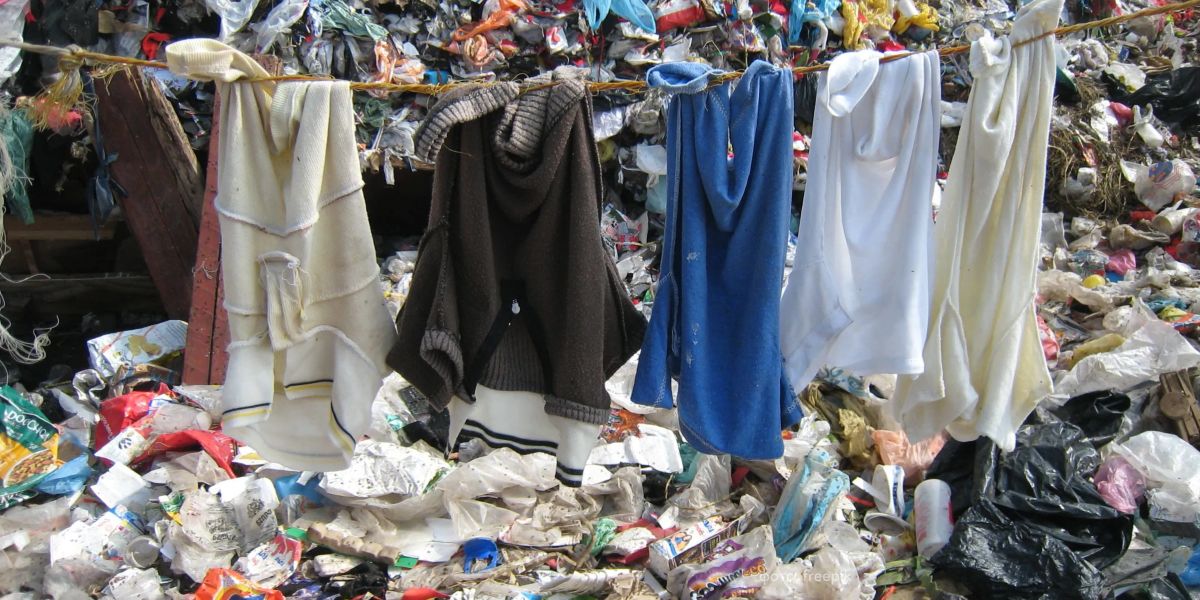


When you last bought a T-shirt, what did you notice first: the price, the brand or the size of the discount? Behind that price tag are thousands of liters of water, toxic chemicals, long transport chains and the labor of people we rarely see.
The fashion industry is one of the most resource-intensive sectors in the world. Cotton requires huge volumes of water, synthetic fabrics are made from fossil fuels, and dyeing processes pollute rivers when standards are weak.
Fast fashion encourages overconsumption. Clothes are bought more often, worn less and thrown away faster. Even recycling cannot solve the problem if production and consumption keep growing.
The most ecological wardrobe is not the one that follows every “green” trend, but the one built on fewer, better, longer-lasting things, repair, reuse and conscious choice.
Support Glossary Eco Foundation so we can continue educational and eco-friendly projects that make real difference
Donate