Composting at Home: A Simple Environmental Initiative for the Family
#Education
3 min reading
Share:


At home, we have a wonderful opportunity to join a sustainable way of life and involve children in it as well. Composting as an eco-initiative helps turn organic waste into “food for the soil”, while teaching environmental awareness and responsibility to the youngest members of the family. Here is how to do it simply and effectively.
Why It Matters
Organic leftovers such as fruit and vegetable peels, tea leaves and garden leaves usually end up in the bin, although in reality they are a resource. Research shows that children’s participation in composting improves their environmental competence and motivates them toward sustainable action. Composting reduces the burden on waste management systems and helps keep nutrients in the soil.How to Involve Children at Home
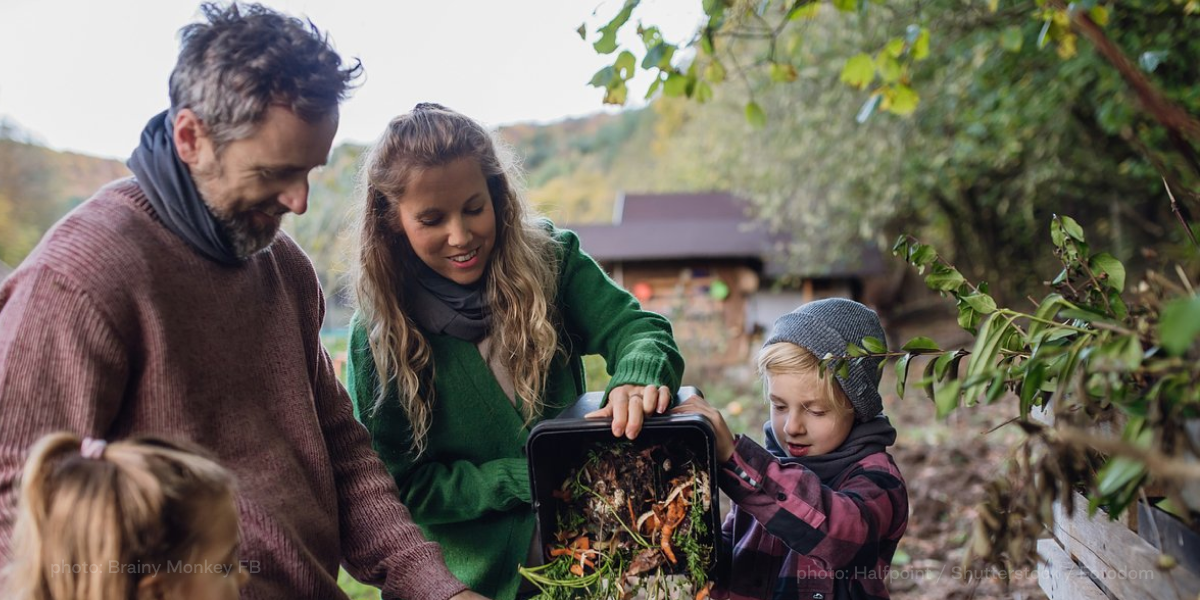
Choose a container: a bucket or box with a lid and a label that says “Compost — food for the soil”. If you want a more convenient and hygienic kitchen option, consider the Urban Composter from Glossary Organic Products. Urban Composter 15 L is a stylish home kitchen composter that helps process food waste, such as vegetables and leftovers, right at home without unpleasant smells or insects. It works through fermentation with a special activator spray. During the process, a useful liquid fertilizer is formed, while the remaining waste turns into compost for plants. It is an ideal option for an apartment or a small family that wants to live more sustainably. Set simple rules together: what you collect, such as peels, leaves, loose tea or coffee grounds, and what you do not collect, such as greasy food, large bones or plastic film. Add an interactive element: use two containers, one for ordinary waste and one for composting. Once a week, check the changes and write down the results. Later, use the finished compost for a houseplant, balcony pot or small garden bed. Discuss with your child how “food for the soil” helps plants grow. Create a routine: weekly container filling, a small compost challenge between family members, photo diaries or drawings.Why Do This Together
When children see with their own eyes how “waste” turns into new life, they gain a sense of agency: I can help nature right now. It brings the family together around a shared useful activity, adds a little more care for the environment at home, and makes ecology not a theory but part of everyday life. Most importantly, this is an experience that will stay with children for a long time. Such a small action can become a big beginning.Support Glossary Eco Foundation so we can continue educational and eco-friendly projects that make real difference
Donate