How National Geographic Teaches Children About the Environment
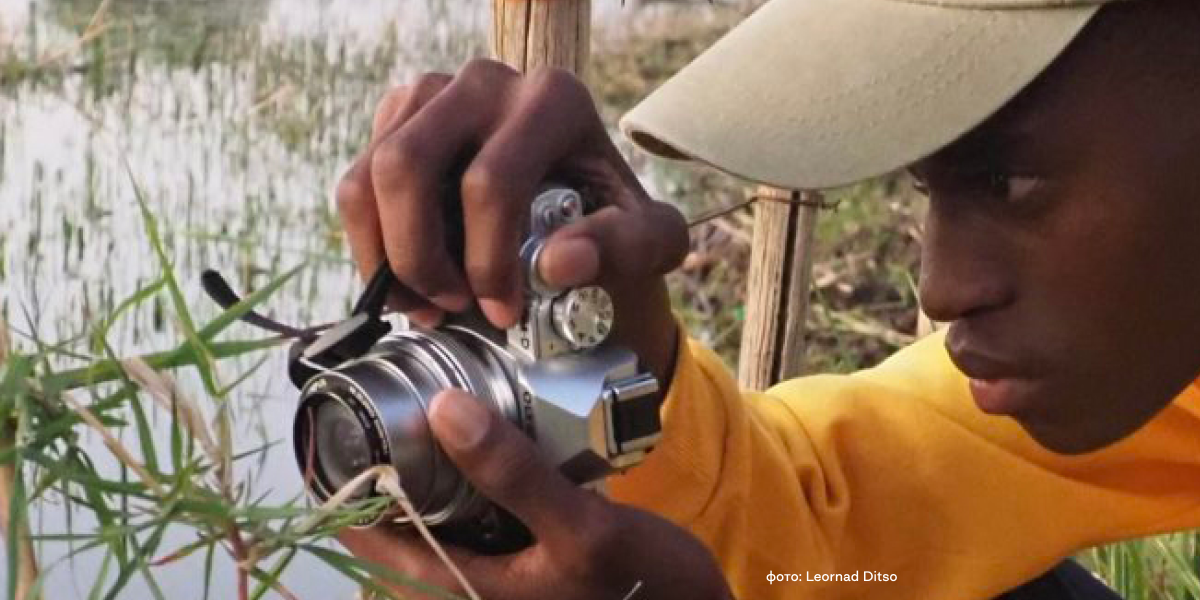


We are exploring the world’s best practices in environmental education—and we are particularly inspired by National Geographic’s “Explorer Mindset” approach, which transforms children from passive observers into active explorers of nature.
This isn’t just about learning facts about the environment; it’s about fostering a mindset in which every child sees themselves as part of nature and an agent of change. Students who learn through nature improve their science test scores by 27%, and contact with nature reduces symptoms of attention deficit disorder starting as early as age 5.
Remember, the natural sciences include not only ecology but also physics, chemistry, biology, geography, astronomy, geology, and geophysics.
Examples of programs worth checking out
Photo Camps is one of National Geographic’s most notable projects. Young people in more than 35 countries learn photography and storytelling about their communities:
- Memphis, USA — exploring the connection between culture and the environment.
- Galápagos Islands — children document changes in ecosystems and participate in conservation projects.
- Alaska — teens spend a week in the wilderness as part of Teen Expeditions, combining expeditions with scientific observations.
The global Slingshot Challenge has attracted over 10,000 participants from 80 countries who are creating solutions—ranging from reducing school waste to restoring ecosystems.
Why It Matters
Research shows that the most direct path to environmental awareness in adulthood is being active in nature before the age of 11. Nature acts as “vitamin G” (green)—essential for healthy development. Scandinavian and Asian educational systems demonstrate that children who learn in nature perform better in science, languages, and social skills. Even short camps (5–7 days) have a powerful impact: children see beauty in the ordinary, document changes in their environment, and share their stories with the world.
This experience can be adapted in Ukraine, as Photo Camps operate even under challenging conditions, for example:
• At the Jerash refugee camp (Jordan), 20 teenagers documented their lives through photography. A participant from South Sudan said:
“Now I can tell my story through photos. The world will see what’s happening here.”
Proposed Formats for Ukraine
Seasonal eco-education weekends:
- “Autumn Colors of Change”—exploring how nature prepares for winter.
- “Winter Detectives”—studying animal tracks in the snow.
- “Spring Awakening”—the first flowers and birds.
- “Summer Explorers”—discover the biodiversity of rivers and parks.
These one-day formats allow us to:
- minimize logistics;
- engage local photographer mentors;
- integrate the experience into school curricula;
- work in any conditions.
The goal is to raise a generation of Ukrainian eco-explorers who:
- see beauty in every leaf,
- understand ecosystems,
- document positive changes,
- share stories of restoration.
Organizing this is simple:
- teachers—unlock the potential of schools,
- photographers mentor young researchers,
- parents—foster curiosity,
- communities — create local eco-photo clubs.
Together, we’ll raise a generation that cares for nature and learns better at the same time.
Make a donation to “School Under the Sun” today—let’s give children light and education even during power outages!
Support Glossary Eco Foundation so we can continue educational and eco-friendly projects that make real difference
Donate