Getting Your School Eco-Ready for Winter: A Practical Guide for Kids, Teachers, and Parents
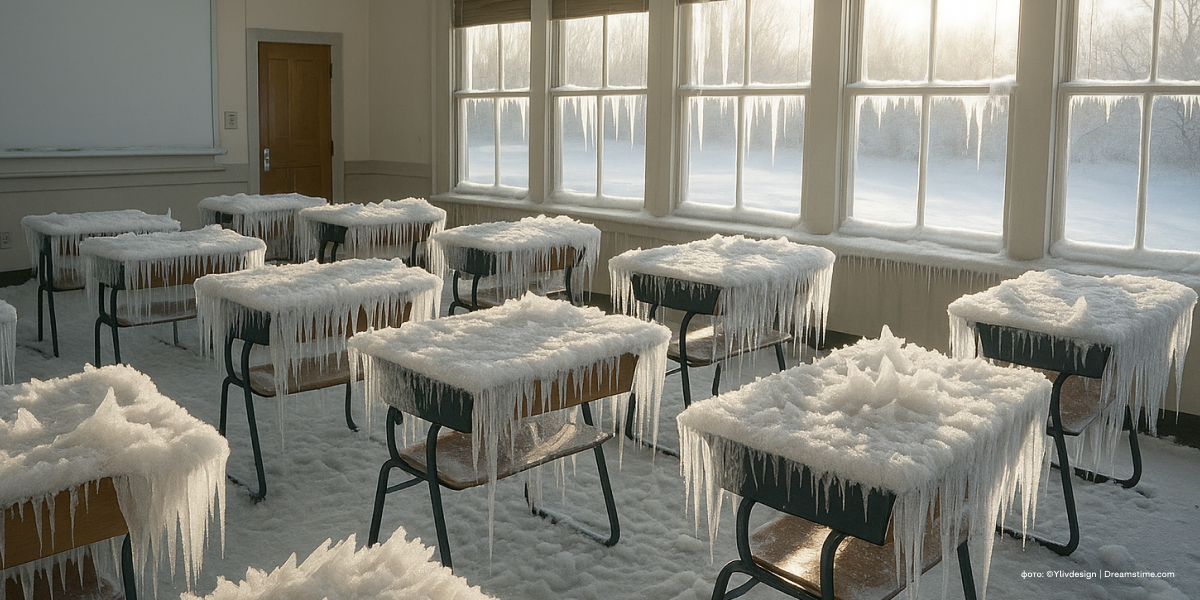


As the colder season approaches, we have a wonderful opportunity to make our school cozier, more energy-efficient, and more environmentally friendly—together with students, teachers, and parents. In addition, your actions can be part of a major step toward a sustainable future. Below is a step-by-step action plan that you can implement as early as this week.
1. Recycling paper—simple and effective
Paper recycling is one of the fastest ways to reduce the strain on natural resources and the budget. In addition to its environmental benefits, “Waste Paper Week” helps children feel the impact of their own actions.
Suggest that:
-
Classes compete to see who can collect the most paper (clean, without plastic);
-
the results are recorded, announced, and celebrated;
-
the collected paper is delivered to a local recycling center.
2. A Warm Classroom Without Major Expenses
The goal is to reduce heat loss and improve comfort for students and teachers:
-
Install weatherstripping or “seals” on doors that are frequently used;
-
Replace old curtains or blinds, and add an interior film to the windows—this provides additional thermal insulation;
-
place rugs or runners in the entrance area and hallways to reduce cold air rising from the floor;
-
introduce simple rules: brief, intensive ventilation; turning off lights and electronics; and closing doors between warm and cold areas.
3. Decor Made from Recycled Materials
Encourage children to make winter decorations from what they already have:
-
garlands made from newspapers or magazines;
-
collages made from cardboard and fabric scraps;
-
3D shapes (stars, snowflakes) made from recycled cardboard;
— all materials should be free of single-use plastic and glitter (which often contains microplastics).
This isn’t just beautiful—it also fosters environmental awareness.
4. Eco-Team and Student Engagement
Involving students in specific actions amplifies the impact. Organize:
-
eco-duty rotations by class (monitoring lights, doors, and ventilation);
-
mini-competitions between classes: which class will improve energy efficiency the most or collect the most recycled paper in a week;
-
updates on a bulletin board or in the school newspaper: how much was collected, what was done, and what the results were.
5. Zero Day: A Day Without Food Waste
Launch the Zero Day initiative at your school—a day when students try to return their plates completely clean. The idea is simple: take only as much food as you can actually eat. This approach fosters a culture of responsible eating, helps reduce food waste, and teaches children to value the resources used to produce food. Zero Day can become a fun tradition—with awards for classes that achieve “clean plates” and brief discussions about the importance of frugality and respect for the work of the kitchen staff.
6. Weekly Action Checklist
-
Declare “Recycled Paper Week” and set the rules.
-
Install door draft stoppers or “seals” on doors.
-
Check the curtains and windows—add plastic sheeting or heavier fabrics where possible.
-
Replace light bulbs with LEDs wherever possible.
-
Launch an eco-rotation program.
-
Start making decorations from recycled materials.
-
Hold a “Zero Day” event in the school cafeteria.
Why do all this?
-
Children: gain experience in environmental action, teamwork, and creativity.
-
School: reduces energy costs and improves classroom comfort.
-
The city and the environment: less waste, lower energy consumption—a significant contribution to sustainable development.
Support us—the “School Under the Sun” project
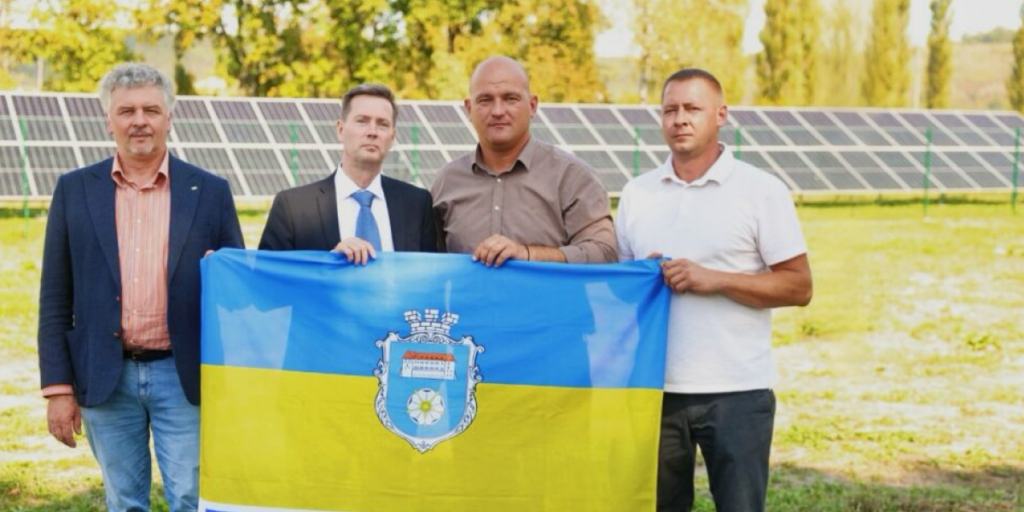
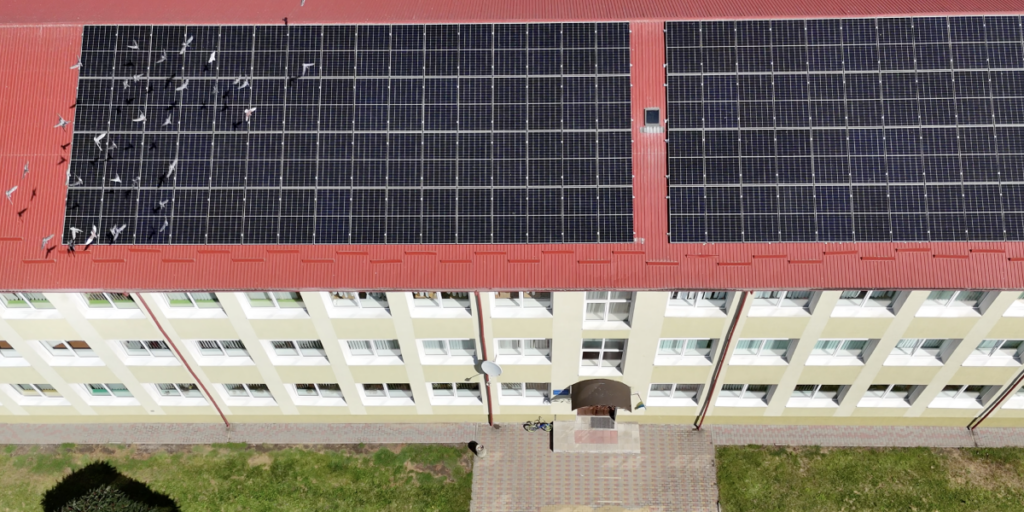
Our flagship project, “School Under the Sun,” installs solar power systems on the roofs of Ukrainian schools, providing children with light and ensuring that schools remain energy-independent and continue to operate even during crises.
Let’s make this winter warm, smart, and eco-friendly—together with the Glossary Eco Foundation.
Your donation matters! 💚
Support Glossary Eco Foundation so we can continue educational and eco-friendly projects that make real difference
Donate