France Bans Shein and Other Fast Fashion Giants: What This Means for the Environment and the Future of Global Fashion
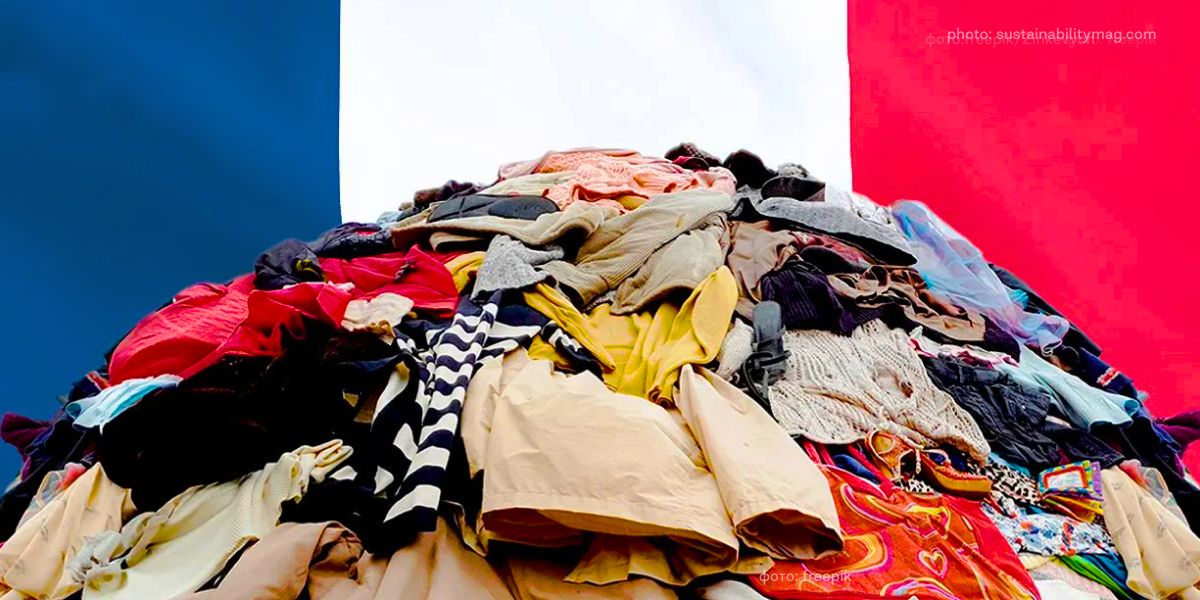


In early summer 2025, France became the first country to legally restrict the operations of fast fashion companies. The French Parliament passed a bill that includes: a ban on advertising brands that produce more than 1,000 items per day, an environmental tax of up to €10 per product, and a gradual reduction in incentives that fuel overconsumption in the fashion industry.
The legislation primarily targets companies like Shein and Temu — brands that have become symbols of disposable, ultra-cheap clothing.
Why is fast fashion a problem?
According to the United Nations Environment Program (UNEP), the fast fashion industry is one of the most polluting sectors in the world:
-
Over 92 million tonnes of textile waste are discarded annually,
-
20% of global water pollution is caused by textile treatment and dyeing,
-
Around 35% of microplastics in the ocean come from synthetic clothing.
Clothing priced at just €2–5 hides its real costs:
-
depletion of natural resources,
-
greenhouse gas emissions,
-
exploitation of workers in the Global South,
-
and massive textile dumps in Africa and Latin America that are becoming environmental disasters.
What changes with France’s decision?
The French law sets an important precedent. It redefines the narrative: speed and volume are no longer signs of progress but threats to the planet. This move promotes the development of sustainable fashion by:
-
encouraging local production and transparent supply chains that prioritize high-quality, long-lasting garments,
-
reducing pressure on the climate and water resources,
-
holding major companies accountable for their environmental footprint,
-
and pushing other countries to reconsider their policies on fast fashion.
What does this mean for the world and the fashion industry?
A global shift has begun. France’s law could become a blueprint for other nations seeking ways to reduce the environmental toll of the textile industry. A new era of responsible production — companies will have to rethink their business models: producing less, moving slower, and being more transparent. Changing consumer habits — people around the world are receiving a clear message: cheap clothing comes at a high environmental cost. Justice and sustainability — this is a step toward a more ethical economy that respects labor, nature, and finite resources. France is showing the world that fashion can be not only beautiful — but also responsible.Support Glossary Eco Foundation so we can continue educational and eco-friendly projects that make real difference
Donate