Europe on the Brink of an Environmental Collapse: EU Report Warns of Threats to the Economy and Human Lives
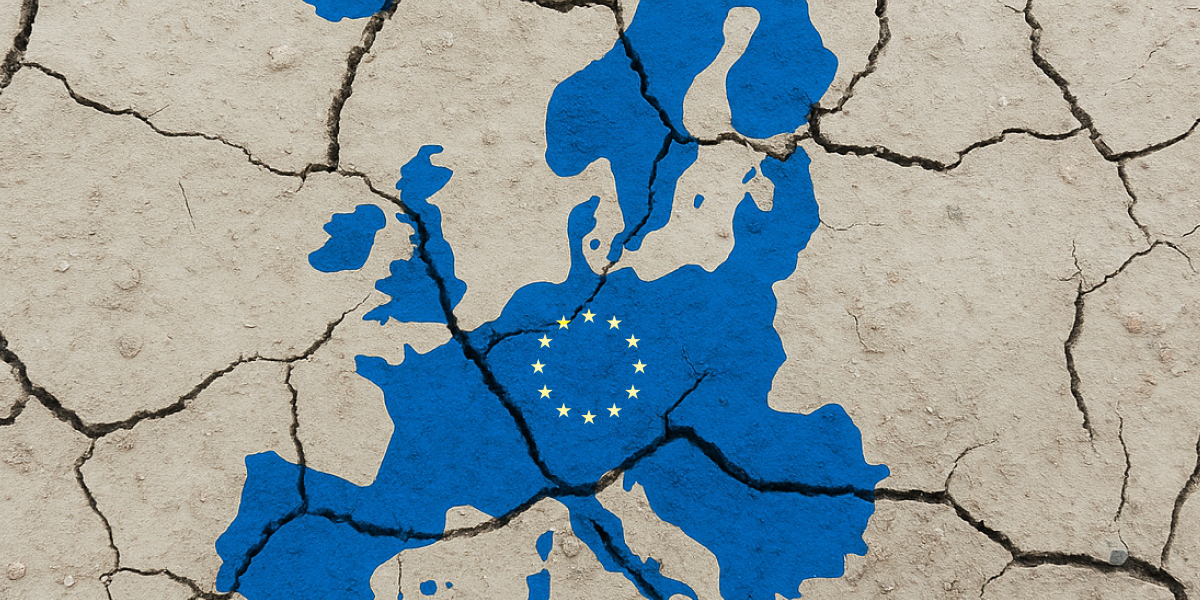


The European way of life, once a symbol of stability, now faces systemic environmental challenges. A new report from the European Environment Agency (EEA) warns that ecosystem degradation, climate change, and biodiversity loss directly threaten the economic and social foundations of the EU.
State of the Environment: The Crisis in Numbers
Despite a reduction in emissions, more than 80% of protected areas are in poor condition. The EU’s carbon sink has shrunk by 30% over the past decade due to wildfires, deforestation, and pests. Emissions from transportation and the agricultural sector remain nearly at 2005 levels, and water scarcity is already affecting the lives of one in three Europeans.
“Europe has made significant strides, but the pace of change is insufficient to ensure a sustainable future. This is not just a matter of the environment, but also of competitiveness, well-being, and quality of life,” said Lina Yuli-Mononen, Executive Director of the EEA.
Politics and Rhetoric
Amid discussions about the merits of the “Green Deal,” some political forces are proposing to relax environmental standards, citing economic pressures. However, European leaders emphasize the opposite. “The cost of inaction is rising every year. Climate change is not just an environmental problem, but also a risk to our economic resilience,” emphasized Wopke Hoekstra, EU Commissioner for Climate Action.
Thérèse Ribera adds: “Postponing climate goals will only increase costs, exacerbate social inequality, and make the economy less resilient to global shocks.”
Biodiversity and Resources
The EU has not met its goal of halting biodiversity loss by 2020, and currently none of the key indicators show progress toward the 2030 target. Although protected areas are expanding, the transition to a circular economy remains slow: only 11.8% of resources are met through recycling.
“Our consumption exceeds the planet’s capacity. Without structural changes in production and logistics, we cannot speak of sustainable development,” emphasizes Tobias Lung, co-author of the report.
Balancing the Economy and Sustainable Development
The only area showing steady progress is air quality: the number of premature deaths from pollution has nearly halved since 2005. “We’re saving thousands of lives every year. This is the best proof that environmental policy works,” emphasizes Julie Mononen.
The EU faces a choice: stay the course toward climate neutrality or succumb to political pressure. Energy, food security, the labor market, and access to water now depend directly on the state of the environment. Environmental stability is becoming a new criterion for Europe’s competitiveness, well-being, and security.
Support the Glossary Eco Foundation so we can continue our educational and environmental projects that make a real difference.
Support Glossary Eco Foundation so we can continue educational and eco-friendly projects that make real difference
Donate