A+++ or G? How to Read Energy Labels Correctly and Avoid Overpaying


When we buy home appliances or electronics, it’s important to consider not only the price or design, but also energy efficiency. This helps lower electricity bills, reduce our environmental impact, and ensure that the devices last longer.
What Is an Energy Label (Classes A+++ to G) and How Does It Work?
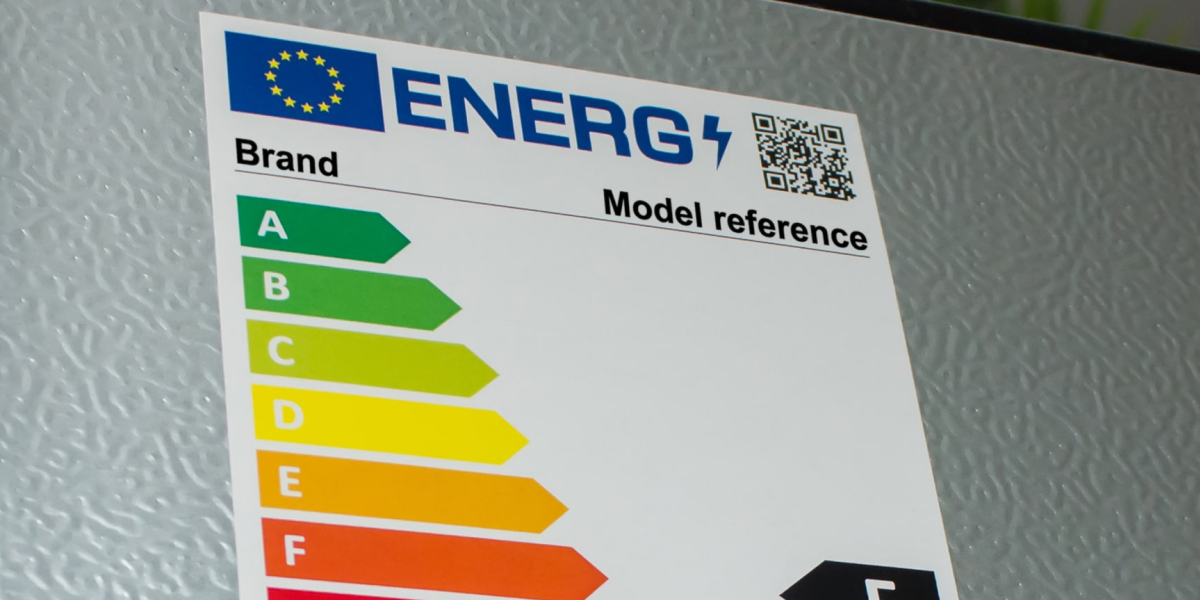
- Almost all devices that consume electricity have an energy label. It tells you how efficiently the device uses energy compared to others. The classes range from A+++ (most energy-efficient) to G (least energy-efficient).
- Appliances with a higher energy efficiency class may cost more initially, but they save significantly over their lifetime. For example, an A+++ class coffee maker uses half as much electricity as an A class model and one-third as much as a D class model.
- For washing machines, the difference in energy consumption between classes A and D can be as high as ~35%. For dryers, the difference is even greater—up to ~50% between A+++ and A.
Examples: How much you can save in a year
- Replacing halogen or incandescent bulbs with LEDs: energy savings of about 80%, and on average, a family can save about 2,700 UAH per year on lighting alone.
- Choosing an A+++ appliance over an A-rated or lower one results in significantly lower energy consumption, especially for appliances that run for many hours: refrigerators, washing machines, dryers, and TVs. For example, a Class A washing machine can consume about 35% more energy than a model with a higher energy efficiency class; for a dryer, the difference between models can be as high as 50%.
Tips: What to Look for When Buying
Here are specific tips for different types of appliances:
Refrigerator / Freezer
- Choose a model with a high energy efficiency class.
- Type: “bahut” (chest freezer) or upright freezer—chest freezers often retain cold better when opened.
- Freezing capacity: how many kilograms of food it can freeze in 24 hours without the temperature rising.
- Good insulation and airtight door seals.
- Regular maintenance: clean the rear vent grille, defrost (if necessary).
Washing machine
- Energy efficiency class—the higher, the better.
- Wash temperature: programs for washing at 30–40°C, since high temperatures (60–90°C) consume a lot of energy.
- Large load capacity (wash a full load every time); avoid running half-empty cycles.
- High spin speed to reduce the need for a dryer or shorten drying time.
- Choose “eco” or energy-saving programs rather than quick cycles.
TV / Screens
- Technology: LED screens are generally more efficient.
- Screen size matters a lot: doubling the diagonal can lead to a fourfold increase in energy consumption.
- Energy efficiency class: Choose A or better.
- Ensure the device can be completely turned off (not just put into standby mode) to avoid standby power consumption.
Stoves, ovens, and kitchen appliances
- Use lids on pots and reduce the amount of water.
- If using an oven, select the “chaleur tournante” (convection) setting, which distributes heat more efficiently.
- Turn off the oven 5–10 minutes before the end of cooking to use residual heat.
- For water-heating appliances (kettles or electric water heaters), choose fast-heating models and turn them off promptly.
Additional helpful tips:
- Buy appliances that meet your actual needs. Don’t choose models that are too large and will run empty—that’s wasteful.
- Avoid modes that consume energy in standby mode or use sneaky settings that secretly increase consumption.
- Consider the quality of insulation, the placement of appliances (so the refrigerator isn’t next to a heat source), and ventilation—all of these factors affect efficiency.
- Make small changes, such as using high-quality LED bulbs, turning off lights, and utilizing natural light—these add up to significant savings.
Energy-efficient appliances don’t just lower your electricity bills—they:
- reduce the load on the power grid;
- help protect the environment;
- reduce operating and maintenance costs;
- last longer, especially if they’re well-chosen and properly maintained.
When choosing an appliance, pay attention to the energy label, your actual needs, the technology, and the model’s size. And remember: sometimes the investment in a high-efficiency model pays for itself in just a couple of years.
Support Glossary Eco Foundation so we can continue educational and eco-friendly projects that make real difference
Donate